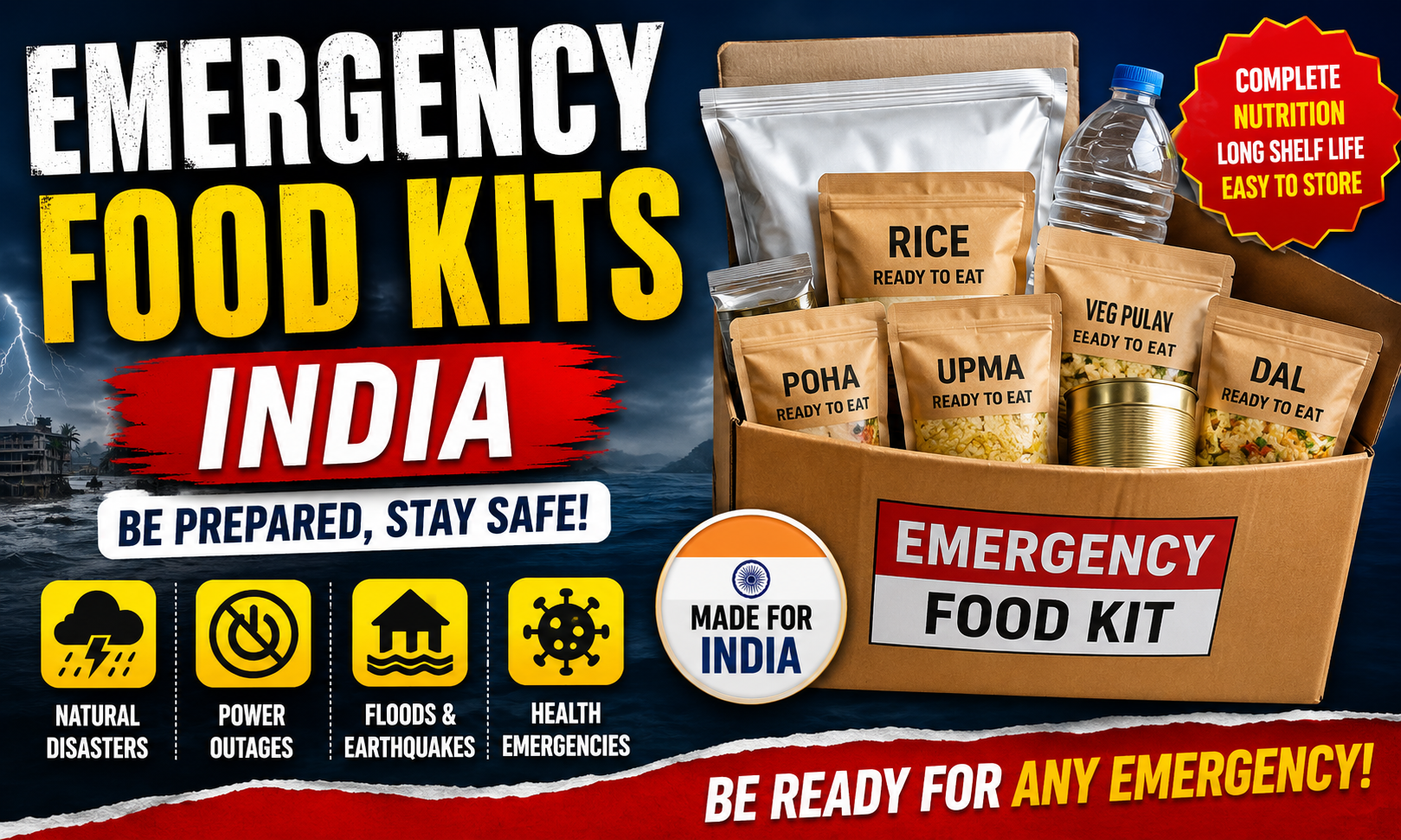
Emergency Food Kits India: Natural disasters, unexpected lockdowns, floods, power cuts, heavy rains, landslides, and travel delays can happen anytime in India. During these situations, getting fresh food is not always easy. This is why many families are now preparing emergency food kits at home.
An emergency food kit is a collection of ready-to-eat or easy-to-cook food items that can help during difficult situations. These kits are useful for families, students, travelers, office workers, and even people living in remote areas.
In this article, you will learn what emergency food kits are, why they are important in India, what items should be included, and how to choose the best food for emergency storage.
What Are Emergency Food Kits?
Emergency food kits are food packs designed for situations where regular cooking or food shopping becomes difficult. These kits usually contain long shelf-life food products that are easy to store and quick to eat.
Some emergency food kits contain:
- Ready to eat meals
- Instant food packs
- Dry snacks
- Energy bars
- Bottled water
- Protein-rich foods
- Packaged rice and curries
- Emergency survival food
The main purpose of these kits is to provide food support during emergencies without depending completely on fresh groceries.
Why Emergency Food Kits Are Important in India
India faces different weather conditions and unexpected situations throughout the year. Heavy monsoon rains, floods, cyclones, landslides, and transportation issues can affect daily life quickly.
In many areas, food delivery services and local shops may stop working during emergencies. Keeping an emergency food kit at home can help families stay prepared.
Main Benefits of Emergency Food Kits
1. Quick Food Access
You do not need to search for food outside during emergencies. Everything is already available at home.
2. Long Shelf Life
Most emergency food products stay fresh for several months.
3. Easy to Store
These kits do not require large storage space and can fit in kitchen cabinets or travel bags.
4. Useful During Power Cuts
Many ready meals can be eaten directly or heated with minimal effort.
5. Good for Travel and Remote Areas
People traveling to remote locations often carry emergency food packs for safety.
Essential Items to Include in Emergency Food Kits India
Not all food items are suitable for emergency storage. The best emergency foods are those that are lightweight, nutritious, easy to prepare, and long-lasting.
Here are some useful food items commonly included in emergency food kits in India.
| Food Item | Why It Is Useful |
|---|---|
| Ready to Eat Meals | Easy to consume and quick to prepare |
| Instant Rice Packs | Fast cooking and filling |
| Dry Fruits and Nuts | Good energy source |
| Energy Bars | Convenient for travel and emergencies |
| Packaged Soups | Light and easy to store |
| Biscuits and Crackers | Long shelf life snacks |
| Peanut Butter | High protein and calories |
| Bottled Water | Essential for survival |
| Tea or Coffee Sachets | Useful during stressful situations |
| Protein Snacks | Helps maintain energy |
Best Ready to Eat Foods for Emergency Storage
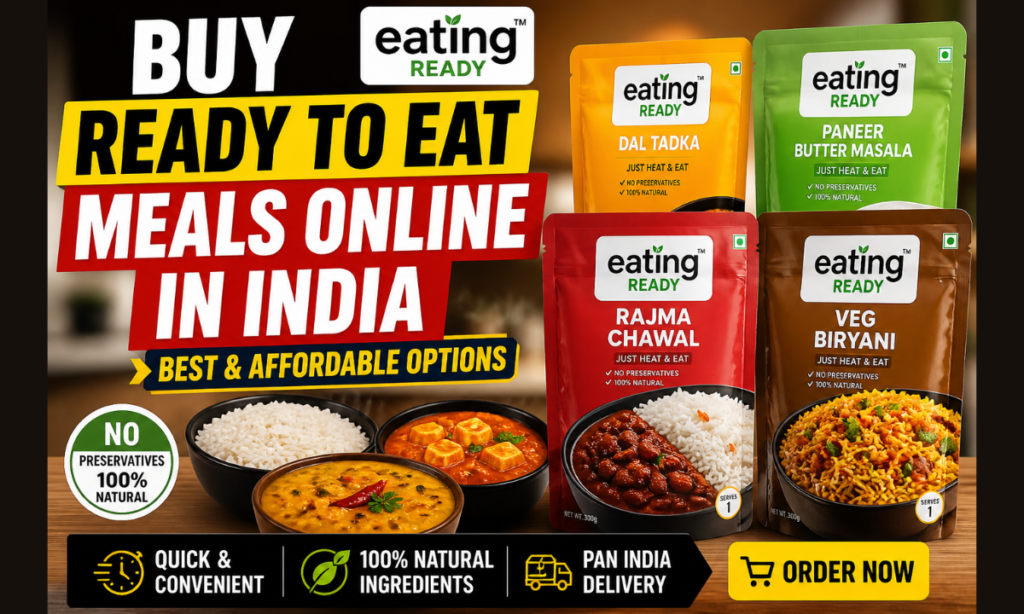
Ready to eat food products are becoming popular in India because they save time and reduce cooking effort. These meals are especially useful during emergencies.
Some common ready meals used in emergency food kits include:
- Dal Makhani
- Veg Pulao
- Rajma Rice
- Upma
- Poha
- Chicken Curry
- Biryani
- Khichdi
- Paneer Curry
- Instant noodles
These meals usually come in sealed packaging and can remain fresh for a long period.
How to Choose the Best Emergency Food Kits in India
Choosing the right emergency food kit is important. A good kit should provide enough nutrition and convenience.
Check Shelf Life
Always choose products with a long expiry date.
Look for Balanced Nutrition
Your kit should contain carbohydrates, protein, healthy fats, and basic vitamins.
Easy Preparation
Choose foods that need little or no cooking.
Compact Packaging
Smaller packs are easier to carry and store.
Water Requirement
Some instant foods require extra water. Keep enough drinking water along with food items.
Emergency Food Kits for Different People
Different people may require different types of emergency food supplies.
For Families
Families should keep:
- Rice packs
- Ready curries
- Dry snacks
- Milk powder
- Water bottles
- Baby food if needed
For Students
Hostel students and people living alone should choose:
- Instant noodles
- Ready meals
- Energy bars
- Dry fruits
- Cup soups
For Travelers
Travelers need lightweight and portable food options like:
- Protein bars
- Ready rice bowls
- Packaged snacks
- Dry fruits
- Electrolyte drinks
For Office Workers
Office emergency kits can include:
- Biscuits
- Instant coffee
- Packaged meals
- Protein snacks
- Drinking water
Common Mistakes to Avoid While Preparing Emergency Food Kits
Many people buy emergency food items without proper planning. This can lead to waste and poor food quality.
Avoid These Mistakes
- Storing expired products
- Keeping food without water supply
- Ignoring nutrition balance
- Buying only junk food
- Forgetting regular stock checking
- Using damaged packaging
You should check your emergency food kit every few months and replace old items.
How Long Can Emergency Food Last?
Shelf life depends on the type of product and storage condition.
| Product Type | Average Shelf Life |
| Ready Meals | 6 to 18 months |
| Dry Fruits | 3 to 6 months |
| Instant Noodles | 6 to 12 months |
| Energy Bars | 6 to 12 months |
| Biscuits | 4 to 8 months |
| Peanut Butter | 6 to 12 months |
Store food in a cool and dry place away from sunlight for better shelf life.
Are Emergency Food Kits Worth Buying?
Yes, emergency food kits are useful for both short-term and long-term situations. They help reduce stress during emergencies because basic food supplies are already available.
In India, where weather changes and unexpected travel problems are common, emergency food storage is becoming more important for households.
Emergency food kits are not only for disasters. They are also useful during:
- Busy work schedules
- Late-night hunger
- Hostel living
- Road trips
- Camping
- Train journeys
- Sudden guests
Final Thoughts
Keeping emergency food kits in India is a smart and practical decision. A well-prepared food kit can help families stay safe and comfortable during difficult situations.
You do not need expensive survival products to start. Even simple ready-to-eat meals, dry snacks, water bottles, and instant food items can make a big difference.
The most important thing is preparation. Building a small emergency food kit today can help you avoid stress tomorrow.
If possible, choose quality ready-to-eat foods with good shelf life, balanced nutrition, and easy storage. This will help you stay prepared for travel issues, natural disasters, or unexpected emergencies anytime.
Frequently Asked Questions
What is the best food for emergency storage in India?
Ready to eat meals, dry fruits, energy bars, instant rice, and bottled water are among the best emergency food options.
How much emergency food should a family store?
Experts usually recommend keeping at least 3 to 7 days of food and water supplies.
Can ready to eat meals be used in emergencies?
Yes, ready meals are one of the most convenient emergency food options because they require very little preparation.
Where should emergency food kits be stored?
Store them in a cool, dry, and clean place away from sunlight and moisture.
Are emergency food kits useful for travel?
Yes, travelers often carry emergency food kits during long journeys and remote travel.
Also Read This Article : Healthy Evening Snacks That Actually Taste Good