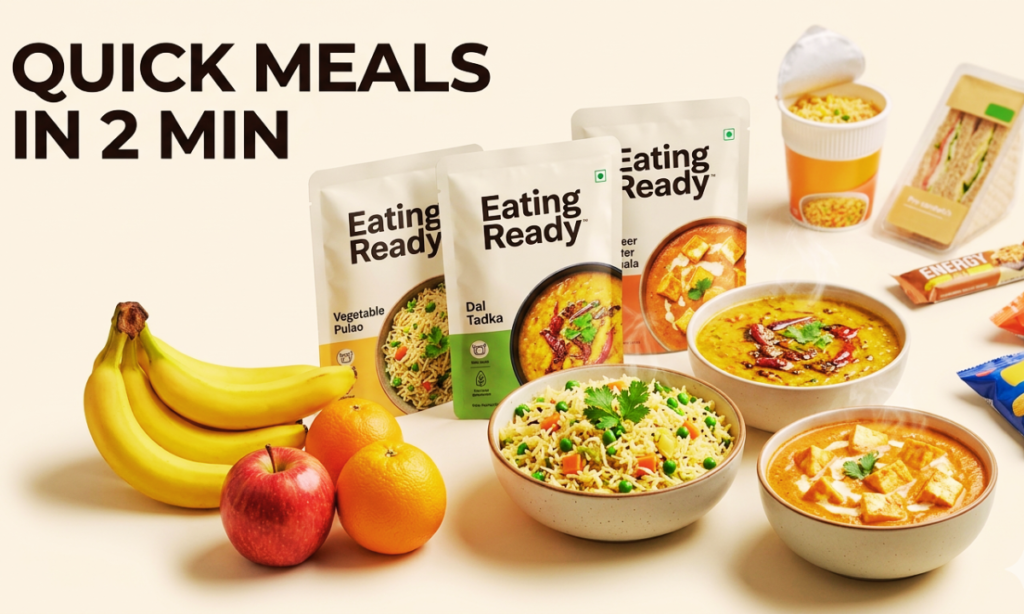
What Are Ready to Eat Meals?
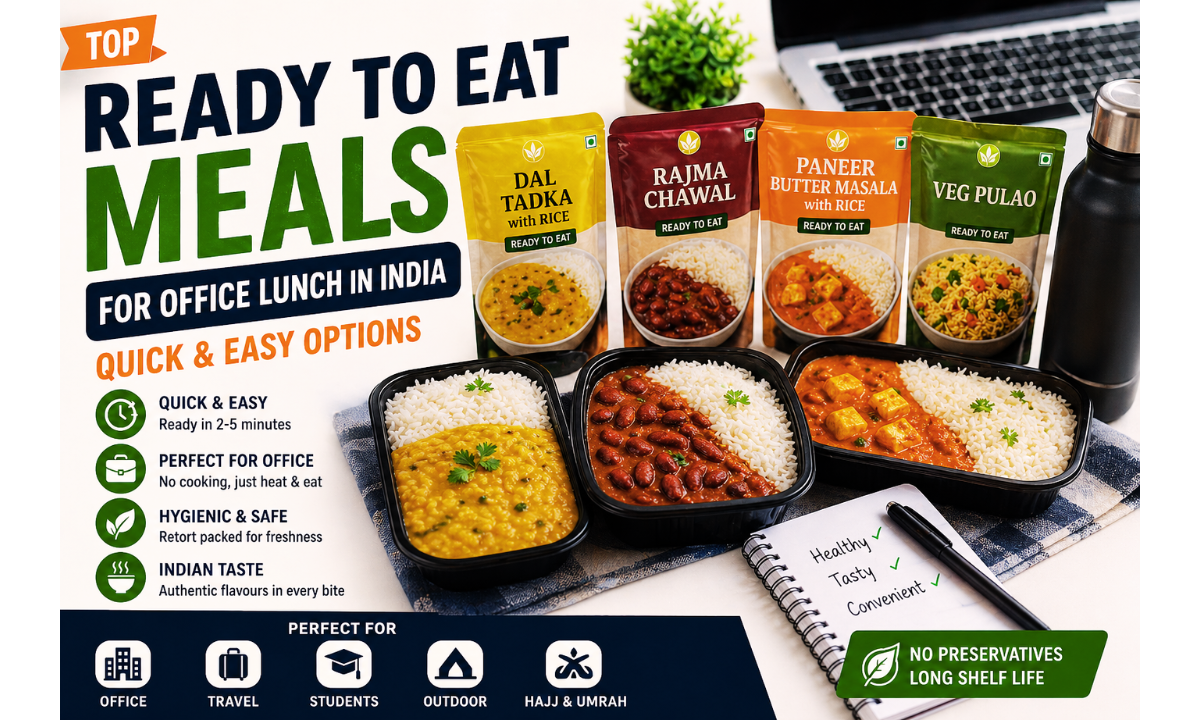
Ready meals are pre cooked food items that require little to no preparation. These meals are packed using advanced technology to maintain freshness and extend shelf life.
Most ready to eat meals can be:
- Heated in a few minutes
- Eaten directly from the pack
- Stored for a long time
You can buy ready to eat meals online from Eating Ready Foods or from Grocery stores. These meals are now a common part of modern lifestyle.
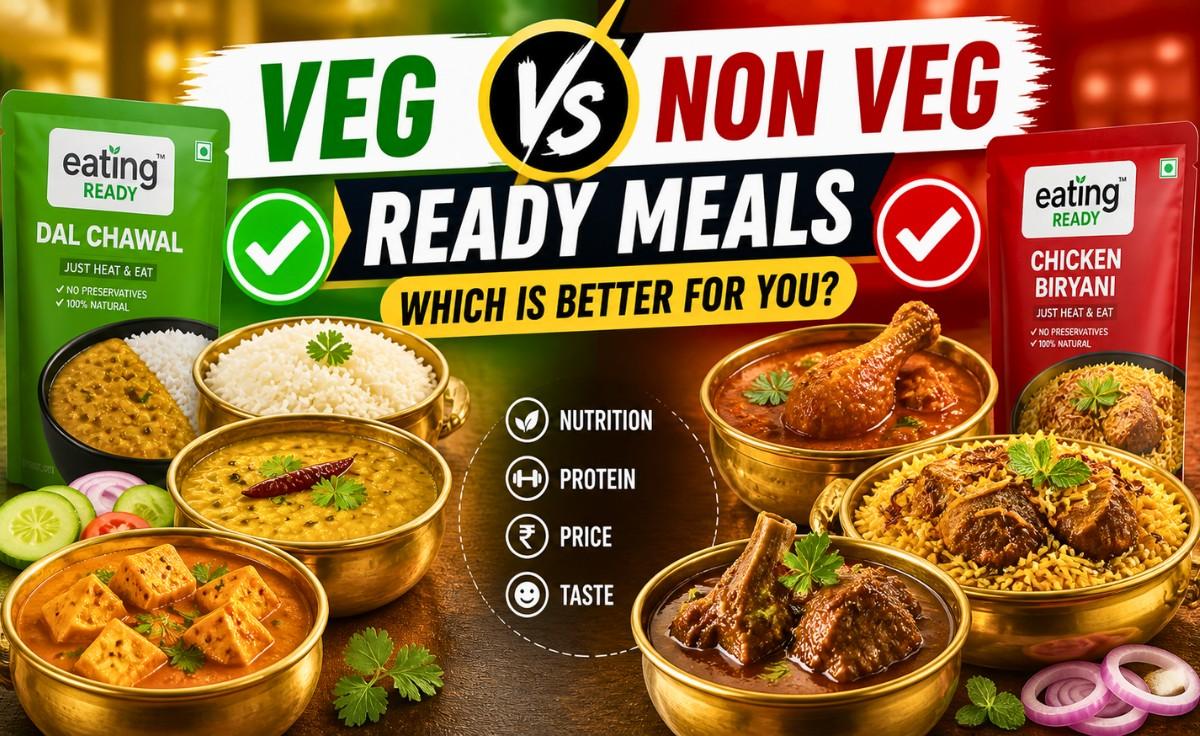
Veg vs Non Veg Ready Meals: Which Is Better for You?
Food habits are changing fast in India. Many people are now opting for ready meals as an everyday food choice with busy schedules and less time to cook. Everyone, from students and office workers to travelers, is looking for food solutions that are quick and easy.
One of the most common questions people ask before buying is a simple: Should I choose veg or non veg ready meals?
Both options are available in the market today. You can easily find ready to eat meals India in both vegetarian and non-vegetarian categories. But the right one for you depends on your lifestyle, health goals, taste preferences and budget.
Understanding Veg Ready Meals
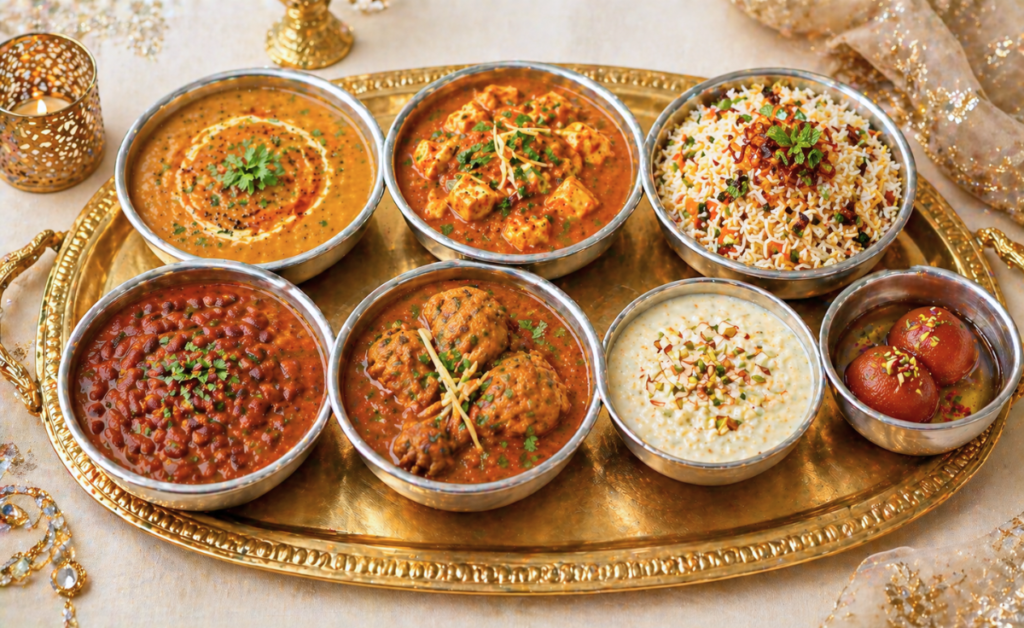
Vegetarian ready meals include food made without meat, fish, or eggs. These meals are very popular in India due to cultural and dietary preferences.
Common Veg Ready Meals
- Dal Makhani
- Rajma Chawal
- Paneer Butter Masala
- Vegetable Biryani
- Mix Veg Curry
These are widely available as ready meals India options.
Benefits of Veg Ready Meals
Easy to Digest
Vegetarian food is generally lighter on the stomach.
Budget Friendly
Most cheap ready to eat meals are vegetarian.
Longer Shelf Life
Veg meals often last longer than non-veg meals.
Suitable for Everyone
Ideal for people with dietary or religious problems.
Dis Advantages of Veg Ready Meals
- Lower protein compared to non-veg
- Taste may feel repetitive over time
- Some products may lack nutritional balance
Understanding Non Veg Ready Meals
Non vegetarian ready meals include chicken, mutton, fish, or egg-based dishes.
Common Non Veg Ready Meals
- Butter Chicken
- Chicken Curry
- Fish Curry
- Chicken Biryani
- Egg Curry
These are popular looking for protein rich food.
Benefits of Non Veg Ready Meals
High Protein Content
Good for muscle growth and energy.
Rich Taste
Non veg meals often have stronger flavors.
Better Variety for Some Users
People who prefer meat enjoy more options.
Dis Advantages of Non Veg Ready Meals
- More expensive than Veg Meals
- Shorter shelf life
- Needs careful storage and More Cool Storage
- Not suitable for all diets
Veg vs Non Veg Ready Meals: Detailed Comparison
| Feature | Veg Ready Meals | Non Veg Ready Meals |
|---|---|---|
| Price | Affordable | Higher |
| Protein | Moderate | High |
| Shelf Life | Longer | Shorter |
| Taste | Mild to rich | Strong and rich |
| Availability | Very high | High |
| Digestibility | Easy | Medium |
| Suitability | For all | Limited |
Which One Is Healthier?
Veg Meals Are Healthier When:
- You want low fat food
- You prefer light meals
- You follow a vegetarian diet
Non Veg Meals Are Healthier When:
- You need high protein
- You are active or fitness person
- You want more energy rich meals
If you are looking for healthy ready to eat meals, always check:
- Nutrition label
- Ingredients
- Preservative levels
Price and Taste Comparison
Cost is an important factor when choosing between Veg and Non Veg Meals.
- Veg ready meals are usually cheaper
- Non veg meals cost more due to meat
If you are on a budget, cheap ready to eat meals are mostly vegetarian options.
- Veg meals are Simple and Light
- Non veg meals are rich in Protein, Heavy and Flavorful
Many people prefer a mix of both instead of choosing only one category.
Best Option for Different People
For Students : Veg meals are better due to affordability and easy storage.
For Gym Users : Non veg meals provide better protein.
For Travelers : Both options are useful, but veg meals are easier to manage and long shelf life.
For Office Workers : A mix of veg and non veg meals works best.
Ready to Eat Meals for Travel
When traveling, comfort matters the most.
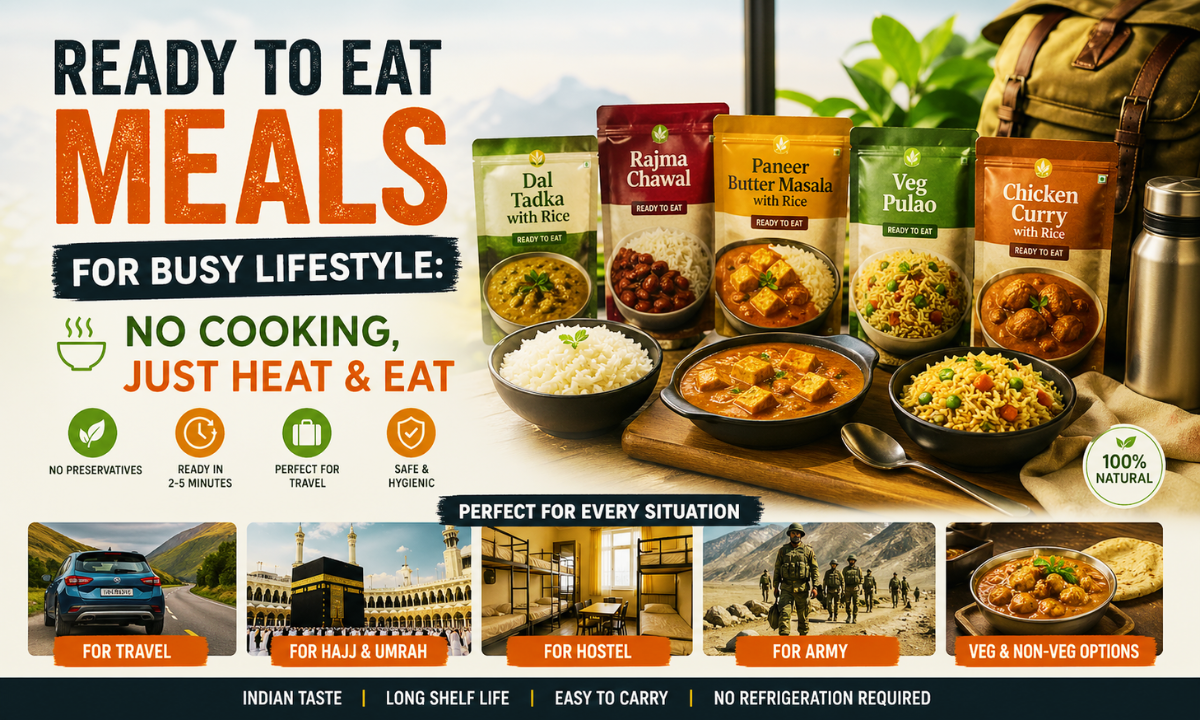
Ready to eat meals for travel should be:
- Easy to carry
- Long Shelf Life
- Just Heat and Eat
- Quick to prepare
- Safe to consume
- Different Varities
How to Choose the Right Ready Meal
Before you buy ready to eat meals online, check the following:
Ingredients: Choose products with simple ingredients.
Nutrition Value : Check protein, calories, and fat.
Expiry Date : Always buy fresh stock.
Brand Quality : Trusted brands offer better products, Buy “Eating Ready Foods“.
Common Mistakes to Avoid
- Choosing only based on price
- Ignoring nutrition
- Not checking expiry dates
Future of Ready Meals in India
The market for ready to eat food India is growing quickly from 2022.
In Future We can expect:
- More healthy options
- Better packaging
- Affordable pricing
- More variety in Veg and Non Veg Meals
Final Conclusion
Choosing between Veg vs Non Veg Ready Meals depends on your personal needs.
- Choose veg meals for affordability and easy digestion
- Choose non veg meals for protein and rich taste
The best approach is balance. Use both types based on your daily needs.
Ready meals are not just about Useful and Easy Anymore. They are becoming a regular part of modern Eating habits in India.
Featured Snippet
Veg vs Non Veg Ready Meals: Which is Better?
Veg ready meals are better for affordability, easy digestion, and longer shelf life. Non veg ready meals are better for higher protein, energy, and rich taste. The best choice depends on your diet, budget, and lifestyle needs.
Short FAQs
1. Do veg and non veg ready meals taste different after storage?
Yes, veg meals usually maintain taste better over time, while non veg meals may slightly change in flavor if stored for long.
2. Which ready meals are better for late night eating?
Veg ready meals, like soup, dal chawal are usually a better choice for late night meals as they are lighter and easier to digest.
3. Are non veg ready meals safe without refrigeration?
Most non veg ready meals are safe if sealed properly, but they should be stored carefully and consumed before expiry.
4. Which type of ready meal is better for beginners?
Veg ready meals are better for beginners because they are simple, widely available, and easier to choose.
5. Do ready meals lose nutrition over time?
Some nutrients may reduce slightly over time, but most ready meals are designed to retain basic nutrition.
6. Which ready meals are better for long travel journeys?
Veg ready meals are more reliable for long journeys because of their longer shelf life and lower risk.
7. Can non veg ready meals smell after opening?
Yes, sometimes non veg meals can have a strong smell after opening, which is normal if the product is fresh and within expiry.
8. Which ready meals are better for quick office breaks?
Veg ready meals are usually quicker and lighter, making them suitable for short office breaks.