Posted on

This Rare Blue Toned Dragon Fruit Is Getting Attention in Markets

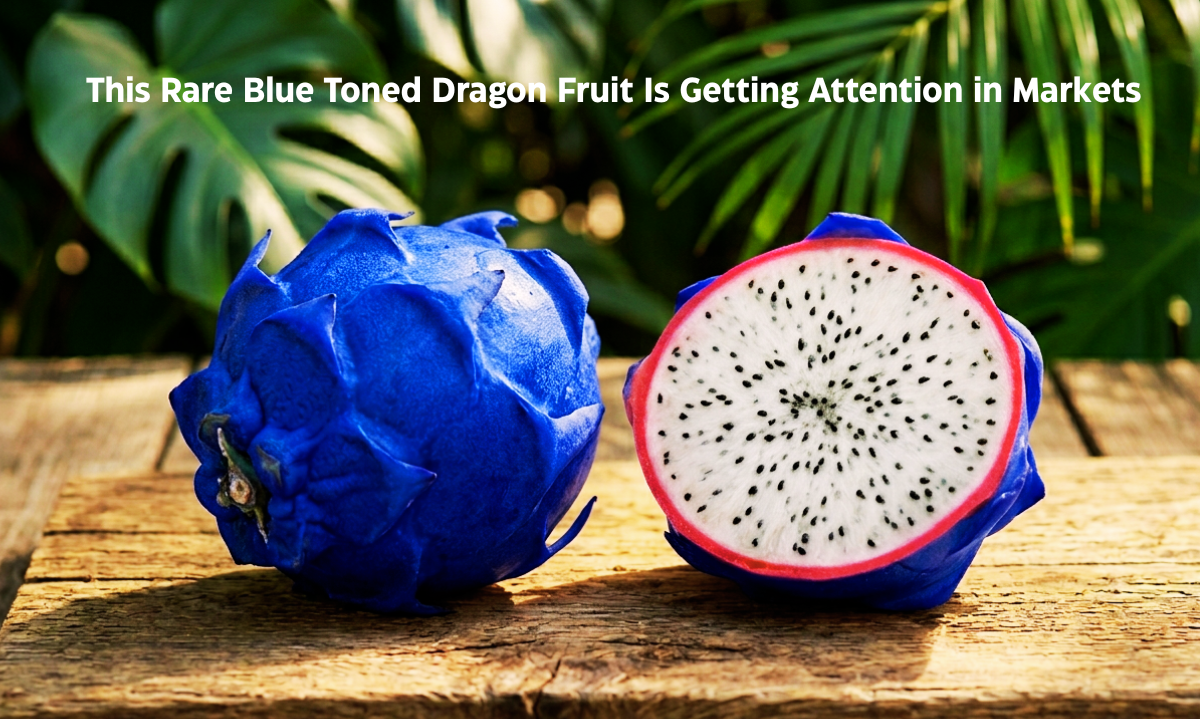
dragon fruit with blue outer skin and white inner flesh tropical fruit

Dragon fruit already stands out because of its unique shape and bright colors. But recently, a more unusual version with a slightly blue-toned appearance is catching people’s attention.

It looks different, feels refreshing, and naturally creates curiosity. Many people are now trying it just because of how unique it looks on the inside.


Why This Blue-Toned Dragon Fruit Looks So Different

The inner flesh of dragon fruit can vary in shades depending on the variety and lighting.

Sometimes, under certain light or ripeness levels, the pink or purple tones can appear deeper—almost giving a bluish feel. This is what makes it visually striking and different from the usual versions.


1. Visually Unique and Eye-Catching

This is one of the biggest reasons it’s trending.

The unusual tone makes it look premium and different, which attracts attention both in markets and on social media.


2. Refreshing and Light for Summer

Like other dragon fruits, it feels light and hydrating.

During hot days, people prefer fruits that are easy to eat and don’t feel heavy—and this fits perfectly.


3. Naturally Mild and Pleasant Taste

Dragon fruit has a soft, slightly sweet taste.

It’s not too strong, which makes it suitable for those who prefer light flavors in fruits.


4. Easy to Add to Daily Diet

You don’t need any preparation.

  • Cut and scoop
  • Add to fruit bowls
  • Use in smoothies

It blends easily into any routine.


5. Adds Variety to Your Plate

Sometimes people get bored of eating the same fruits daily.

Trying something visually different like this makes eating more interesting and enjoyable.


Conclusion

Whether it’s the color, texture, or freshness, this unique-looking dragon fruit is gaining attention for a reason.

Even if the difference is subtle, the experience feels new and that’s what makes it stand out in today’s food trends.

Posted on

How to Identify Natural vs Artificial Watermelon This Summer

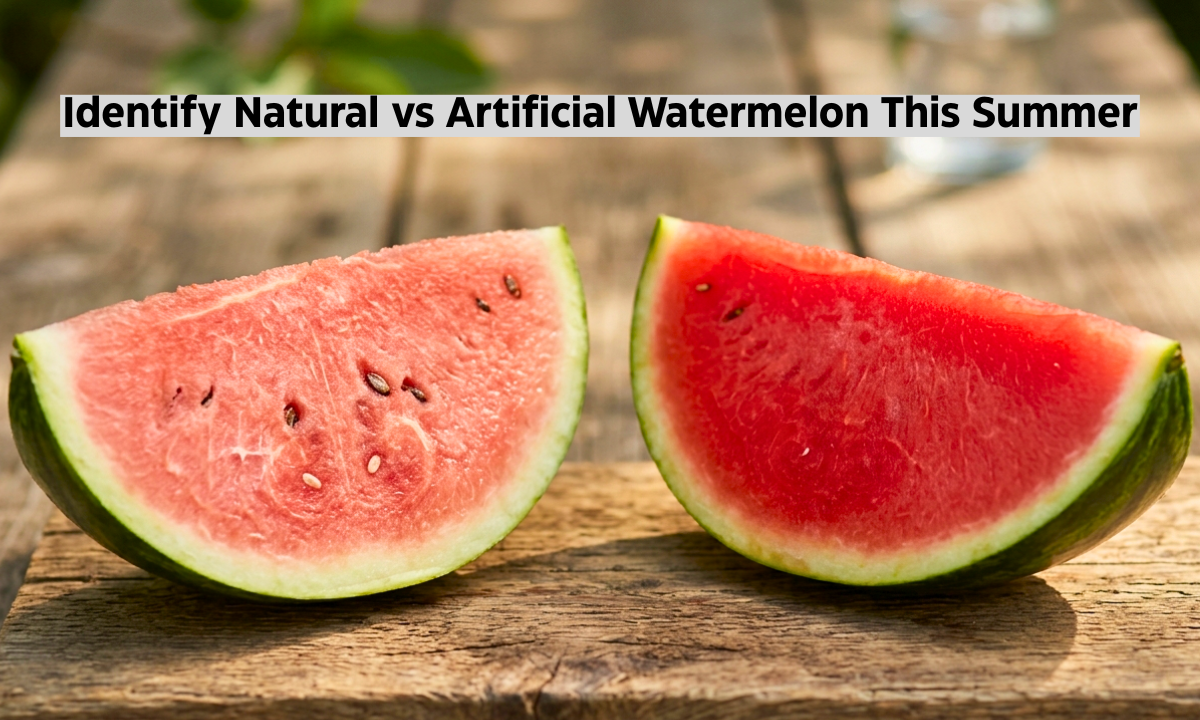
natural and artificial watermelon slices comparison on wooden surface

How to Identify Natural vs Artificial Watermelon This Summer: is one of the most loved fruits in summer. Juicy, sweet, and refreshing—it feels like the perfect way to beat the heat.

But in recent years, many people have become more careful about what they buy. Concerns about artificially enhanced or chemically treated fruits have made buyers more alert.

So how can you tell if a watermelon is natural or not? Here are simple, practical ways to identify it before you eat.

1. Look at the Color Inside

A natural watermelon usually has a soft pink to deep red color, but not overly bright.

If the inside looks:

  • Too bright red
  • Almost unnatural or shiny

…it may have been artificially enhanced.

Natural fruit always looks slightly uneven, not perfect.

2. Check the Texture

When you cut a natural watermelon, the texture should be:

  • Slightly grainy
  • Juicy but firm

If it looks:

  • Too smooth and rubbery
  • Or extremely watery without structure

…it can be a sign of unnatural treatment.

3. Observe the Seeds

Seeds can tell you a lot.

  • Natural watermelon has black or dark brown mature seeds
  • Too many white, undeveloped seeds may indicate early harvesting or altered growth

Seed pattern should look natural and not overly uniform.

4. Taste Matters

Natural watermelon has a balanced sweetness.

If the taste feels:

  • Too sweet in an artificial way
  • Or completely bland

…it may not be naturally ripened.

Good watermelon always has a fresh, light flavor—not overpowering.

5. Water Test Trick

A simple home check:

  • Take a small piece and put it in water
  • If the water turns slightly pink naturally, it’s fine
  • If the color spreads quickly and strongly, be cautious

This can sometimes indicate added color or treatment.

6. Check the Outer Skin

Natural watermelon skin usually has:

  • Slight marks or uneven patterns
  • A dull finish (not too shiny)

If the surface looks:

  • Too perfect
  • Very glossy or polished

…it may have been treated for appearance.

7. Buy from Trusted Sources

One of the safest ways is to buy from:

  • Known vendors
  • Local farmers
  • Trusted fruit sellers

Consistency in quality matters more than appearance.

Why This Matters in Summer

During extreme heat, watermelon consumption increases. This also increases the chance of poor quality or artificially enhanced fruits entering the market.

Choosing natural watermelon ensures:

  • Better hydration
  • Safer consumption
  • Real taste and nutrition

Final Thoughts

Not every watermelon is unsafe, but being aware helps you make better choices.

A natural watermelon may not look perfect, but it tastes real and feels refreshing. In summer, when your body depends on hydration and light foods, choosing the right fruit makes a difference.

Simple observation is often enough—you just need to know what to look for.

Posted on

What Happens When You Eat Banana Daily for 7 Days

fresh ripe yellow bananas on wooden surface healthy natural fruit

Day 1: A Gentle Energy Boost

On the first day, your body responds quickly to the natural sugars in banana—glucose, fructose, and sucrose. These provide instant energy without making you feel heavy.

It’s a great start, especially in the morning or before light activity.


Day 2: Improved Digestion Begins

By the second day, the fiber in banana starts doing its work. Bananas contain pectin, a type of fiber that supports smoother digestion.

You may notice:

  • Less bloating
  • Better bowel movement
  • A lighter feeling after meals

Day 3: Better Hydration Balance

Bananas are rich in potassium, which helps maintain fluid balance in the body.

By day three:

  • Your body may feel less fatigued
  • Muscle function improves
  • Mild cramps may reduce

This is especially helpful if you have an active routine.


Day 4: Reduced Sugar Cravings

Interestingly, eating banana daily can help control unhealthy cravings.

The natural sweetness satisfies your taste buds, while fiber keeps you full longer. By day four, you may notice:

  • Fewer sudden hunger pangs
  • Reduced desire for sugary snacks

Day 5: Noticeable Energy Stability

Unlike processed sugary foods that cause spikes and crashes, banana provides steady energy.

By day five:

  • Energy levels feel more stable throughout the day
  • You may feel less tired in the afternoon

This is one of the most practical benefits for busy lifestyles.


Day 6: Mood Improvement

Bananas contain tryptophan, which the body converts into serotonin—a chemical linked to mood.

By day six:

  • You may feel slightly more relaxed
  • Stress levels can feel more manageable
  • Overall mood may improve subtly

It’s not dramatic, but consistent.


Day 7: Overall Body Balance

After a full week, the combined effects become clearer.

You may experience:

  • Better digestion
  • Consistent energy
  • Reduced cravings
  • Improved overall wellness

It’s a simple habit, but surprisingly effective.


Are There Any Side Effects?

For most people, eating one banana daily is safe. However:

  • Eating too many can increase sugar intake
  • People with specific medical conditions should consult a doctor

Moderation always matters.


Best Time to Eat Banana

  • Morning: For energy boost
  • Before workout: Quick fuel
  • Midday snack: Keeps you full

Avoid eating too many bananas late at night if you have digestion issues.


Final Thoughts

Eating a banana daily for 7 days won’t transform your body overnight, but it can create small, meaningful improvements in digestion, energy, and overall balance.

Simple habits like this often have the most lasting impact. Sometimes, good health doesn’t come from complex diets—it starts with consistent, everyday choices.

Posted on

7 Benefits of Eating Guava

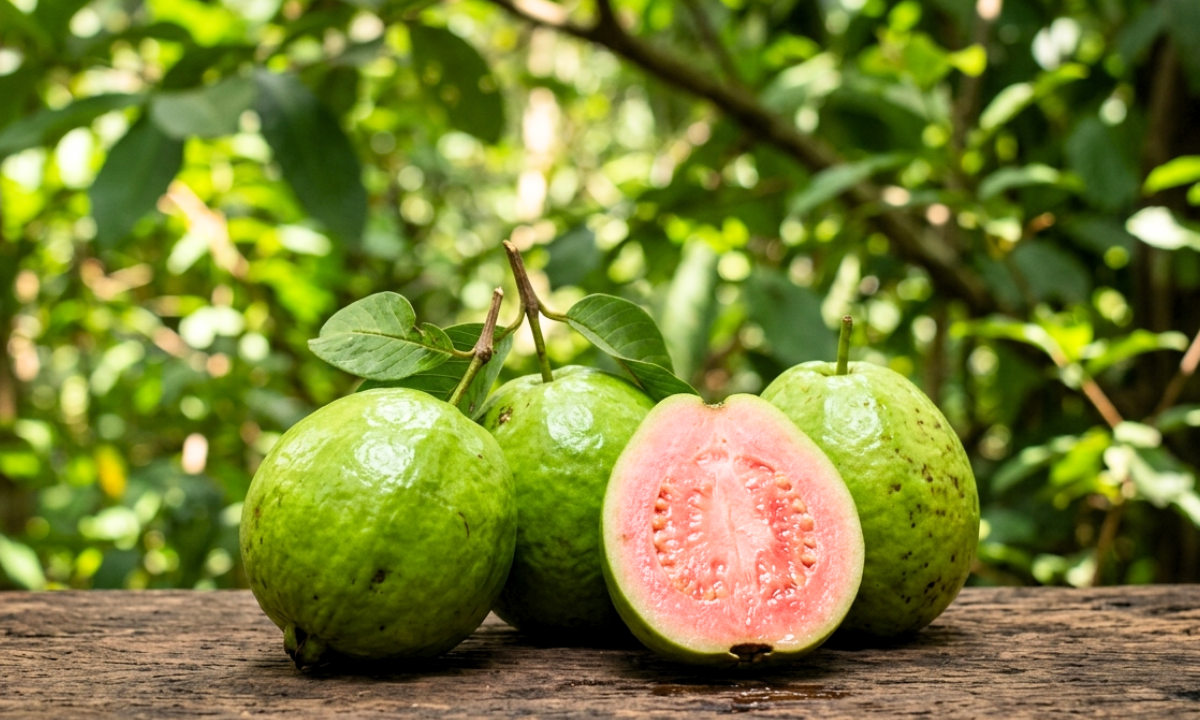
fresh pink guava fruits on wooden surface with green leaves healthy natural fruit

Guava is one of those simple fruits that quietly delivers powerful health benefits. Found easily in Indian markets and loved for its sweet yet slightly tangy taste, guava is not just a snack—it’s a natural health booster.

From improving digestion to supporting immunity, this humble fruit deserves a regular place in your daily diet. Let’s explore the real benefits of eating guava and why nutrition experts often recommend it.


1. Strengthens Immunity Naturally

Guava is packed with vitamin C—often even more than oranges. This makes it excellent for boosting your immune system.

Regular consumption helps the body fight infections, reduces the risk of common illnesses like cold and cough, and supports overall health. For anyone looking for natural immunity support, guava is a smart choice.


2. Improves Digestion and Gut Health

As a chef, one thing is clear—good digestion is the base of good health.

Guava is rich in dietary fiber, which helps regulate bowel movements and prevents constipation. It also supports healthy gut bacteria, making digestion smoother and more efficient.

If you often feel bloated or heavy after meals, adding guava to your routine can help balance your digestive system.


3. Helps in Weight Management

Guava is low in calories but high in fiber, making it ideal for weight control.

It keeps you full for longer, reduces unnecessary cravings, and helps maintain a balanced diet. Unlike processed snacks, this natural fruit provides nutrition without adding extra calories.

For those trying to maintain or lose weight, guava is a practical and satisfying option.


4. Supports Heart Health

Guava contains potassium and antioxidants that help regulate blood pressure and improve heart function.

Regular intake may reduce bad cholesterol levels and support better blood circulation. This makes guava a heart-friendly fruit, especially for people looking to maintain cardiovascular health naturally.


5. Controls Blood Sugar Levels

One of the lesser-known benefits of guava is its role in managing blood sugar.

Its low glycemic index and high fiber content help slow down sugar absorption in the body. This makes it a suitable fruit for people who are mindful of their sugar intake.

However, moderation is always important, especially for those with specific health conditions.


6. Enhances Skin Health

Healthy food reflects on your skin, and guava is a great example of that.

The antioxidants and vitamins in guava help fight free radicals, reduce signs of aging, and promote clear, glowing skin. It also supports collagen production, which keeps the skin firm and youthful.

Instead of relying only on external skincare, adding guava to your diet can improve skin health from within.


7. Boosts Energy and Overall Wellness

Guava provides essential nutrients like vitamins A, B, and C, along with minerals that support energy levels.

It’s a perfect mid-day snack that refreshes the body without making you feel heavy. For busy lifestyles where people often depend on instant foods or packaged meals, adding fresh fruits like guava helps maintain balance.

Combining natural foods with convenient options like ready to eat meals can create a practical and healthy eating routine.